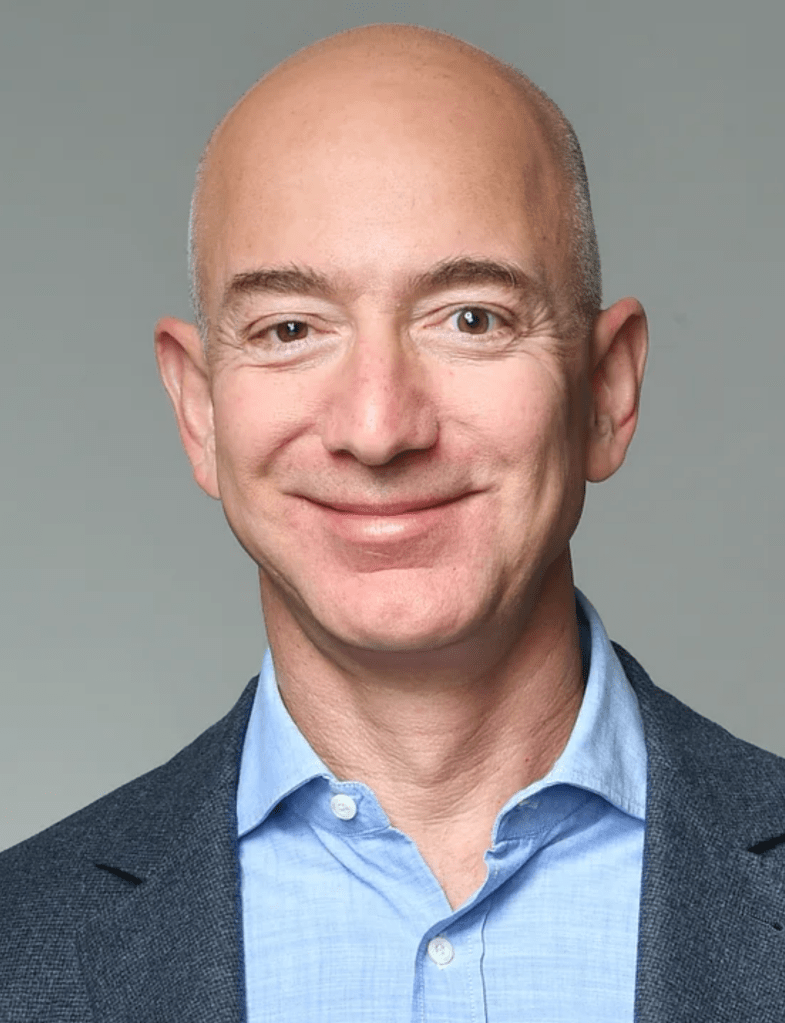
Jeff Bezos is precision wearing patience. He’s not the loudest man in the room, nor the most unpredictable. His power comes from something different, obsession so consistent it became a strategy.
Bezos built one of the world’s largest companies by caring about one thing with monk-like discipline: the customer. While others chased hype, he chased improvement. While others bragged about quarters, he built for decades. His superpower isn’t brilliance or charisma but the ability to stay fixated long after everyone else gets bored.
Here are five lessons from a man who turned obsession into an empire.
1. Be customer-obsessed, not competitor-driven
Most leaders watch the competition like hawks. Bezos ignored them. His eyes were always on the customer, their pain points, their frustrations, their expectations that no one else was noticing. Amazon didn’t invent e-commerce but perfected convenience. Same way it didn’t invent cloud computing, either, but still made it indispensable. Competitor obsession creates reaction. Customer obsession creates innovation. Bezos understood that while rivals fight over market share, the customer quietly decides who wins.
The lesson: The surest way to stay ahead is to stop racing others and start serving deeper. When you obsess over who you serve, competition becomes irrelevant.
2. Think in decades, act in days
Bezos popularised the “Day One” mindset, a warning against complacency. “It’s always Day One,” he said, meaning the hunger, urgency, and curiosity of a startup should never fade. He plans like a futurist, but executes like a founder racing a deadline. The patience to think in decades gives direction; the discipline to act in days gives momentum. He doesn’t confuse long-term vision with slowness. Amazon’s speed is legendary precisely because its goals stretch far beyond the quarter.
The lesson: Long-term thinking isn’t about waiting; it’s about staying committed longer than anyone else. The future rewards those who start early and keep going.
3. Boring consistency is a hidden weapon
Bezos once said, “We are willing to be misunderstood for long periods of time.” That’s the patience of a builder who values boring consistency over exciting detours. While competitors announce new ideas every few months, Amazon improves packaging, delivery times, and inventory systems. The world celebrates sparks of genius, but Bezos built bonfires of routine. His success didn’t come from big moves but from relentless micro-improvements that compounded over years.
The lesson: Greatness often looks repetitive. Mastery isn’t magic but the small things done relentlessly well until they look effortless.
4. Build systems, not just success stories
Amazon isn’t one business. It’s a machine that builds businesses: retail, logistics, cloud, entertainment, AI. That’s because Bezos built processes.He designed mechanisms, feedback loops, hiring principles, and decision frameworks, that ensured the company could grow without him being everywhere. Where others try to scale effort, he scaled efficiency. The result? A company that continues to evolve even when he steps back.The lesson: Don’t just build something that works. Build something that keeps working without you. Systems outlive ambition.
5. Let logic outlast emotion
Bezos once said he avoids decisions that rely on mood. He doesn’t chase applause or let outrage dictate direction. When Amazon is criticised, he doesn’t rush to defend; he listens, measures, and adapts. That emotional distance gives him control. It allows him to see clearly when others react impulsively. In an age of outrage and instant feedback, Bezos reminds us that logic compounds faster than emotion.
The lesson: Calm is a superpower. When everyone else is loud, the quiet thinker sees furthest.
Final thought
Jeff Bezos may not inspire memes or headlines the way Musk or Trump does, but his power lies in something rarer: disciplined obsession. He’s proof that the future doesn’t belong to the loudest, the boldest, or even the smartest. It belongs to those who can stay fixated on what matters long enough to make it inevitable.
 Cornelius Ndubuisi