10 Outlier Things Future Leaders Should Be Doing Now(For Those Who Know They’ll Lead One Day)

Source: Canva

Everybody talks about “preparing for leadership” as if leadership is a conference you register for two weeks before it starts.

But the truth is simpler and more uncomfortable:

If you will lead tomorrow, it will show in what you are secretly doing today.

Forget the predictable advice: “read more,” “take courses,” “network.”

Those are fine, but they’re mainstream. Leadership has become a buzzword, and buzzwords don’t build people.

Let’s talk about the outlier things, the unexpected disciplines that  build capacity for the kind of leadership that lasts.

1. Learn To Function Without Applause

If you still need compliments to feel competent, you’re not ready for leadership. Because the day you lead, the applause stops and the complaints begin. Train your soul now to work in silence. That’s where real power forms.

2. Practise Making Decisions With Incomplete Information

Most people wait until they “know enough.” Leaders rarely enjoy that luxury. Start making small but real decisions with 70% of the data. It trains your courage, your judgement, and your ability to live with consequences.

3. Build Friendships Across Social Levels Especially “Downwards”

Future leaders are not the ones chasing celebrities but the ones who understand the value of ordinary people: cleaners, technicians, admin, assistants, drivers, interns, etc. These people teach you humility, give you unfiltered intelligence, and later become the backbone of whatever you lead.

4. Learn The Art Of Being Misunderstood Without Becoming Bitter

Future leaders will be misread, misquoted, misjudged. If you take everything personally now, you’ll fall apart later. Train yourself to hold your truth gently without becoming defensive or vengeful.

5. Master Boring Consistency

Leadership is less about charisma and more about reliability. Set one small discipline: sleep, prayer, reading, budgeting, gym, and do it for six months. The goal of consistency is to keep pushing hard even when it’s not fun.

6. Start Treating Relationships As Long-term Investments, Not Quick Returns

A future leader doesn’t use people. They store people gratefully, respectfully, intentionally. Send a message to someone who once helped you.

Check on a former mentor.

Keep relational bridges intact.

Leadership collapses when it is built on transactional networking.

7. Practise Self-control In Small Things

How you handle:

  • your appetite
  • your temper
  • your screen
  • your spending
  • your impulses

is the rehearsal for how you will manage power. If you cannot discipline your cravings, power will simply amplify your chaos.

8. Serve Where Nobody Is Watching

Don’t wait for titles.

Wash dishes.

Stay back to stack chairs.

Offer help without publicity.

Leadership that doesn’t begin in service always ends in tyranny.

9. Study People More Than You Study Textbooks

Emotional intelligence is a crucial survival skill. Watch how people respond under stress. Notice what motivates different personalities. Observe how conflicts escalate or de-escalate. A leader who cannot read people will eventually be ruled by them.

10. Build An Inner Life Deeper Than Your Outer Ambition

Leadership without depth collapses at the slightest pressure.

Invest in silence, reflection, prayer, journaling, self-honesty.

Your mind and spirit must grow faster than your opportunities, or those opportunities will choke you.

Final Thought

If you sense leadership in your future, don’t wait for titles, elections, or invitations. Leadership is not something you step into but something you grow into. Do these 10 outlier things now, and when the time comes, leadership will not feel like a promotion. It will feel like a natural continuation of who you have already become.
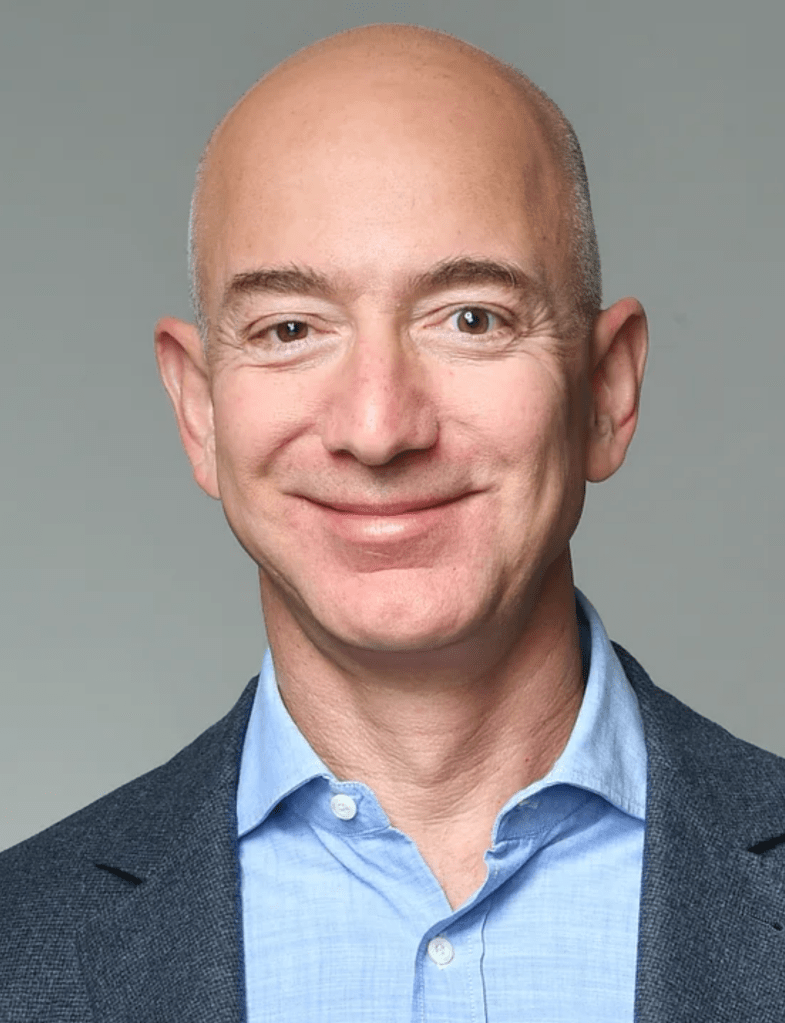
How Jeff Bezos Turned Obsession into a Superpower

Jeff Bezos is precision wearing patience. He’s not the loudest man in the room, nor the most unpredictable. His power comes from something different, obsession so consistent it became a strategy.

Bezos built one of the world’s largest companies by caring about one thing with monk-like discipline: the customer. While others chased hype, he chased improvement. While others bragged about quarters, he built for decades. His superpower isn’t brilliance or charisma but the ability to stay fixated long after everyone else gets bored.

Here are five lessons from a man who turned obsession into an empire.

1. Be customer-obsessed, not competitor-driven

Most leaders watch the competition like hawks. Bezos ignored them. His eyes were always on the customer, their pain points, their frustrations, their expectations that no one else was noticing. Amazon didn’t invent e-commerce but perfected convenience. Same way it didn’t invent cloud computing, either, but still made it indispensable. Competitor obsession creates reaction. Customer obsession creates innovation. Bezos understood that while rivals fight over market share, the customer quietly decides who wins.

The lesson: The surest way to stay ahead is to stop racing others and start serving deeper. When you obsess over who you serve, competition becomes irrelevant.

2. Think in decades, act in days

Bezos popularised the “Day One” mindset, a warning against complacency. “It’s always Day One,” he said, meaning the hunger, urgency, and curiosity of a startup should never fade. He plans like a futurist, but executes like a founder racing a deadline. The patience to think in decades gives direction; the discipline to act in days gives momentum. He doesn’t confuse long-term vision with slowness. Amazon’s speed is legendary precisely because its goals stretch far beyond the quarter.

The lesson: Long-term thinking isn’t about waiting; it’s about staying committed longer than anyone else. The future rewards those who start early and keep going.

3. Boring consistency is a hidden weapon

Bezos once said, “We are willing to be misunderstood for long periods of time.” That’s the patience of a builder who values boring consistency over exciting detours. While competitors announce new ideas every few months, Amazon improves packaging, delivery times, and inventory systems. The world celebrates sparks of genius, but Bezos built bonfires of routine. His success didn’t come from big moves but from relentless micro-improvements that compounded over years.

The lesson: Greatness often looks repetitive. Mastery isn’t magic but the small things done relentlessly well until they look effortless.

4. Build systems, not just success stories

Amazon isn’t one business. It’s a machine that builds businesses: retail, logistics, cloud, entertainment, AI. That’s because Bezos built processes.He designed mechanisms, feedback loops, hiring principles, and decision frameworks, that ensured the company could grow without him being everywhere. Where others try to scale effort, he scaled efficiency. The result? A company that continues to evolve even when he steps back.The lesson: Don’t just build something that works. Build something that keeps working without you. Systems outlive ambition.

5. Let logic outlast emotion

Bezos once said he avoids decisions that rely on mood. He doesn’t chase applause or let outrage dictate direction. When Amazon is criticised, he doesn’t rush to defend; he listens, measures, and adapts. That emotional distance gives him control. It allows him to see clearly when others react impulsively. In an age of outrage and instant feedback, Bezos reminds us that logic compounds faster than emotion.

The lesson: Calm is a superpower. When everyone else is loud, the quiet thinker sees furthest.

Final thought

Jeff Bezos may not inspire memes or headlines the way Musk or Trump does, but his power lies in something rarer: disciplined obsession. He’s proof that the future doesn’t belong to the loudest, the boldest, or even the smartest. It belongs to those who can stay fixated on what matters long enough to make it inevitable.

How to Be Unshakeable Even When You’re Unliked: Trump’s Strange Superpower

Love him or loathe him, Donald Trump might be one of the most unshakeable figures of our time. He’s been impeached twice, banned from social media, sued, mocked, arrested, fact-checked, and written off more times than any public figure should survive and yet, somehow, he’s still standing and commanding attention.

Trump’s story is less about politics and more about psychology and a strange study in resilience and defiance. His power doesn’t come from never being hit. On the contrary, it comes from never staying down no matter the hits.

He may not be everybody’s favourite person, but whatever he’s doing is working and deserves a deeper look.

Here are five strange but undeniable lessons from his playbook on how to stay standing when the world would rather see you fall.

1. Thick skin is a strategic asset

Most people think of thick skin as a personality trait. For Trump, it’s a business model. He has turned criticism into background noise he no longer hears. The insults, headlines, and late-night jokes which would dampen any other person’s spirit, feed him. Every attack for him is proof that he’s still relevant.

The lesson: If you let public opinion dictate your energy, you’ll burn out before you ever break through. The ability to stay unbothered, or at least appear to, is a competitive edge in an age where everyone’s emotions are on display.

2. The secret to staying relevant? Never stop talking

When most people retreat after backlash, Trump doubles down. He posts, he calls, he rallies, he repeats. His noise drowns out silence and that’s the point. Relevance, in his world, belongs to whoever keeps the microphone.

The lesson: Visibility beats perfection. You don’t stay in control by waiting for the storm to pass. You stay in control by being the loudest voice through it.

3. Control the room by never conceding it.

Trump doesn’t just occupy whatever space he finds himself, he dominates it. Whether in debates, boardrooms, or social media, he refuses to give up control of the frame. If he’s cornered, he reframes the corner. If he’s wrong, he changes the subject until he isn’t.

The lesson: In communication, control isn’t about truth but about direction. Whoever sets the narrative leads the room. You don’t need to win every argument but you need to control what’s being argued about.

4. Never play on someone else’s stage

Trump built his own stage, literally and figuratively. He used television to shape his image, social media to bypass gatekeepers, and rallies to turn audiences into armies. When platforms banned him, he built new ones. When critics mocked him, he made the mockery part of the show.

The lesson: If you rely on borrowed platforms, you’ll always be one edit away from erasure. Build your own channels, own your message, and make your audience come to you.

5. Own your contradictions before someone else weaponises them.

Trump’s contradictions are public record: billionaire populist, rule-breaker who loves order, businessman and showman. Yet what keeps them from destroying him is that he rarely hides them. He exaggerates them first.

The lesson: The best defense is preemptive honesty. When you name your flaws before others do, you rob them of their sting. Vulnerability, handled with audacity, becomes armor.

Final thought

Donald Trump may never win a popularity contest, but he’s mastered something more powerful: staying visible, relevant, and defiant in a world built to cancel, correct, and control. His strange superpower isn’t just confidence but endurance. You don’t have to admire his politics to learn from his persistence. Because in a world quick to judge, those who survive aren’t always the most loved, just the least shaken.

The Power of Playing the Long Game Like Jensen Huang

In a world obsessed with overnight success, Jensen Huang is a quiet rebellion. While most CEOs chase quarterly wins, the NVIDIA founder built an empire by betting on a future no one else could see and waiting long enough for it to arrive.

His story is not one of fast fame or lucky breaks but a masterclass in patience, conviction, and the power of playing the long game.

When Huang co-founded NVIDIA in 1993, the world didn’t care much about graphics processors. Computers were still crawling toward speed and color; the idea of using GPUs for more than gaming sounded absurd.

Yet Huang saw something everyone else missed, that the same chips that made video games beautiful could also make artificial intelligence possible. It took decades for the rest of the world to catch up. And in that journey lie a few powers worth paying attention to.

That’s the first lesson: playing the long game begins with seeing beyond the moment. Huang didn’t build for the present but for the inevitable. When others optimized for short-term profit, he invested in research that wouldn’t pay off for twenty years. It’s a mindset that separates those who make noise from those who make history. But foresight alone isn’t enough. Long games are grueling. They require the kind of stamina that survives failure after failure without losing faith. NVIDIA nearly went bankrupt multiple times. Its early chips were expensive, hard to market, and misunderstood. Yet Huang refused to fold. He kept showing up, refining, rebuilding, reinvesting. His leadership wasn’t defined by perfection, but by endurance.

That’s the second lesson: patience is not passive. It’s active resilience. Huang once said that “our company is 30 years in the making, and every day felt like day one.” The long game isn’t about waiting idly for your time to come. It’s about working with urgency today for results that may not come for years. It’s the discipline to believe in something long enough for it to mature. By 2006, NVIDIA released CUDA, a software platform that let developers use GPUs for computing beyond graphics, a radical idea at the time. It wasn’t immediately celebrated. In fact, many dismissed it. But that innovation became the foundation of today’s AI revolution. Two decades later, the chips NVIDIA built for gamers now power the world’s largest data centers, AI models, and autonomous systems.

The third lesson? The long game rewards those who prepare for the future before it’s fashionable. Visionaries like Huang don’t chase trends; they create them. He once said, “We’re always running toward where the ball is going, not where it is.” That’s how long-term thinkers operate; they invest in the invisible. And here’s the irony: while everyone else burns out chasing speed, the slow and steady ultimately become unstoppable.

NVIDIA’s valuation soared past a trillion dollars, not because Huang sprinted, but because he persisted. He built a foundation strong enough to outlast hype cycles.

There’s something deeply human about that kind of endurance. We live in a culture of instant validation where people want virality more than vision, applause more than progress.

Jensen Huang’s story reminds us that great things take time, and that time itself can be your biggest competitive advantage if you use it wisely.In the end, playing the long game is about willing the future into existence. It’s about holding your vision steady while the world wavers.

Huang proved that when you align relentless work with relentless patience, the world eventually catches up to you.

So whether you’re building a business, a career, or a dream, remember Jensen Huang: the man who built the future by refusing to rush it. Because in a world chasing shortcuts, the real power lies in endurance and in the courage to keep playing long after everyone else stops.

5 Weird Lessons to Learn from Elon Musk

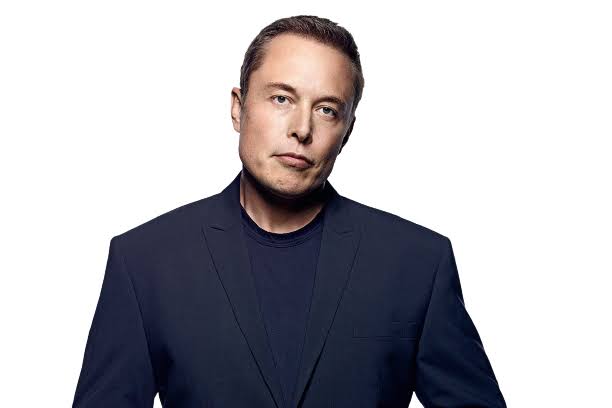
An image of Elon Musk

Love him or hate him, Elon Musk is one of the strangest teachers alive. His life looks like chaos wrapped in genius which is somehow also a daily reminder that brilliance and madness sometimes share the same office.

He is controversial. Yes.

His decisions are not always met with rousing applause, true.

Yet beneath his controversies are a few lessons most of us could use, even if we never plan to buy a rocket, or rename Twitter.

Here are five weird but worthwhile lessons to learn from him.

1. What’s the use of “f***-you money” if you can’t say “f*** you”?

The phrase “f***-you money” has floated around Wall Street for decades and it means the kind of wealth that frees you from having to please anyone. And Musk might be the first billionaire who actually lives by it. When advertisers pulled out of X (formerly Twitter) over his views, Musk in his usual manner snapped:

“If somebody’s going to try to blackmail me with advertising? Blackmail me with money? Go f*** yourself.”

Elon Musk, New York Times DealBook Summit 2023

He’s backed politicians like Donald Trump, then publicly clashed with them when he disagreed not because it’s strategic, but because he can.

The lesson: Leverage isn’t power until you use it. Whether it’s money, influence, skill, or freedom of time, the point of independence isn’t just to say you have it; it’s to live by it.

2. Stop staring at the scoreboard

Forbes keeps trying to rank the richest people on earth. Musk keeps pretending not to care. His net worth rises and falls by billions, yet he rarely comments on the list. When Tesla’s shares crashed, he told employees to hold tight and not panic because he was confident the value would climb again.

The lesson: Obsessing over metrics makes you a spectator of your own life. Success that depends on constant external validation: likes, rankings, and approval will always feel fragile. Do the work, believe in your trajectory, and let the scoreboard update itself.

3. Take universal problems personally

This might be Musk’s strangest strength. He comments on and adopts humanity’s challenges.

He worries that civilisation will collapse from low birth rates, so he’s fathered more children than most small towns.

He fears extinction on one planet, so he builds rockets to colonise another.

He’s even launched projects like xAI and Grokipedia to preserve and democratise human knowledge, hoping to someday store it beyond Earth.

The lesson: When you make a global problem personal, your motivation becomes unstoppable. Most people wait for institutions to fix things. Musk’s weirdness lies in asking, “Why not me?”

4. Use absurdity as a strategy

Space travel. Neural implants. Underground city tunnels. Colonising Mars. Electric trucks shaped like geometry homework. Half the time Musk sounds like a 12-year-old pitching sci-fi ideas until he actually builds them.

The lesson: Absurdity has power. Thinking beyond what’s “reasonable” is how boundaries move. Most innovation begins with a question that sounds ridiculous. If your dream doesn’t make someone laugh, it’s probably too small.

5. Fail loudly and keep building

Musk has missed deadlines, launched exploding rockets, and made promises that Twitter/X never fulfilled. But instead of hiding, he doubles down, learns in public, and builds again.

The lesson: Failure isn’t fatal, silence is. The people who grow fastest aren’t those who avoid mistakes but those who recover visibly. Progress requires public imperfection.

Final thought

You don’t have to agree with Elon Musk, most people don’t. But you can’t deny that he plays the game of life at full volume. His weirdness teaches a simple truth: freedom, focus, purpose, imagination, and resilience are messy in practice but priceless in effect.

So maybe the next time someone calls your dream “crazy,” take it as a compliment. You might just be on the Musk frequency.